
 English
Micro Lesson Category: Polymer Material
-
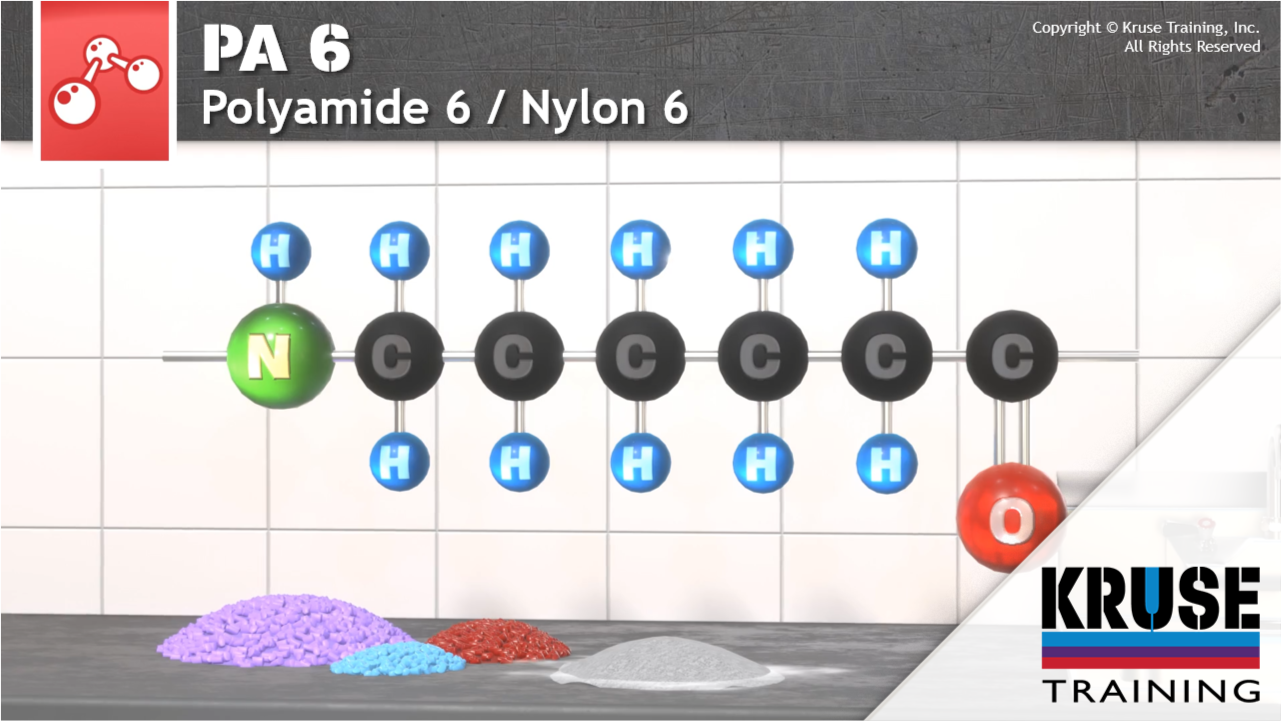
Polyamide 6 (PA 6)
Polyamide 6, also known as Nylon 6 or PA 6, is a versatile engineering thermoplastic known for its excellent mechanical strength, durability, and resistance to wear and chemicals. Due to its high impact resistance, good elasticity, and ease of processing, nylon 6 is widely used in the production of fibers, textiles, automotive components, and industrial…
-
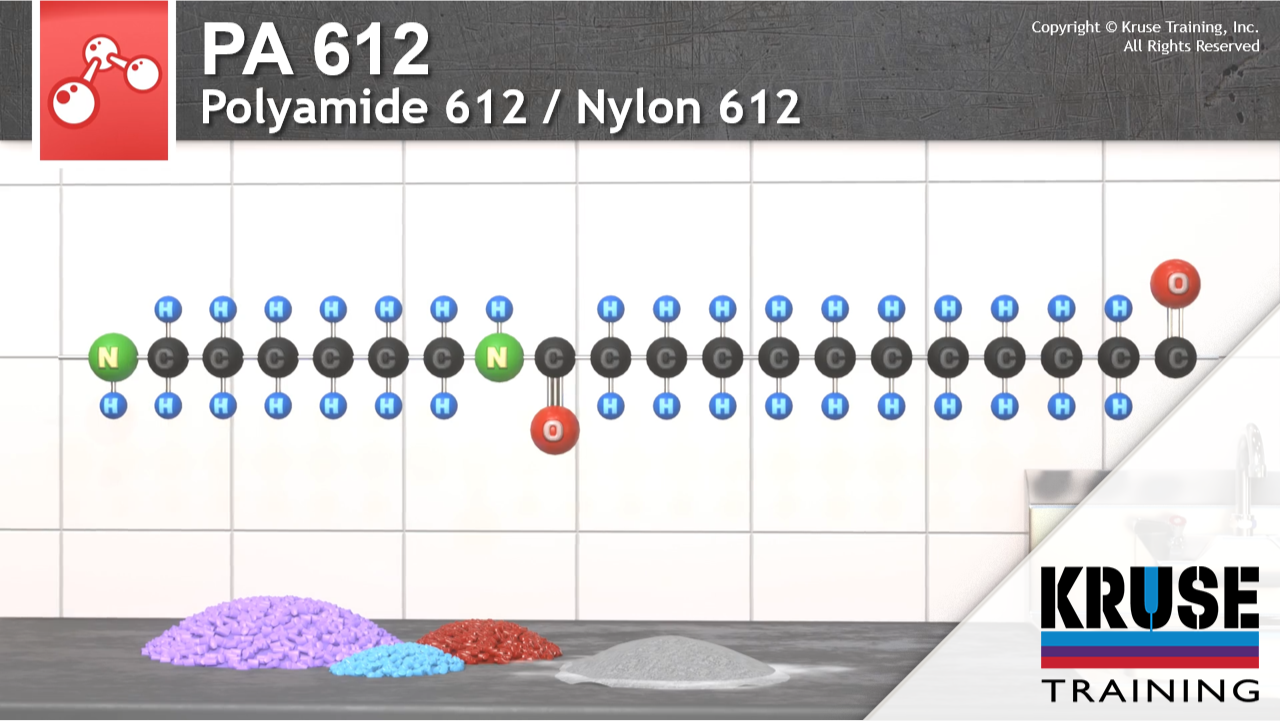
Polyamide 6/12
Polyamide 6/12 (PA 6/12) is a semi-crystalline thermoplastic from the polyamide family, combining the properties of Polyamide 6 and Polyamide 12. It is known for its excellent balance of mechanical strength, chemical resistance, and dimensional stability, making it suitable for demanding applications. PA 6/12 exhibits low water absorption compared to other polyamides, enhancing performance in…
-
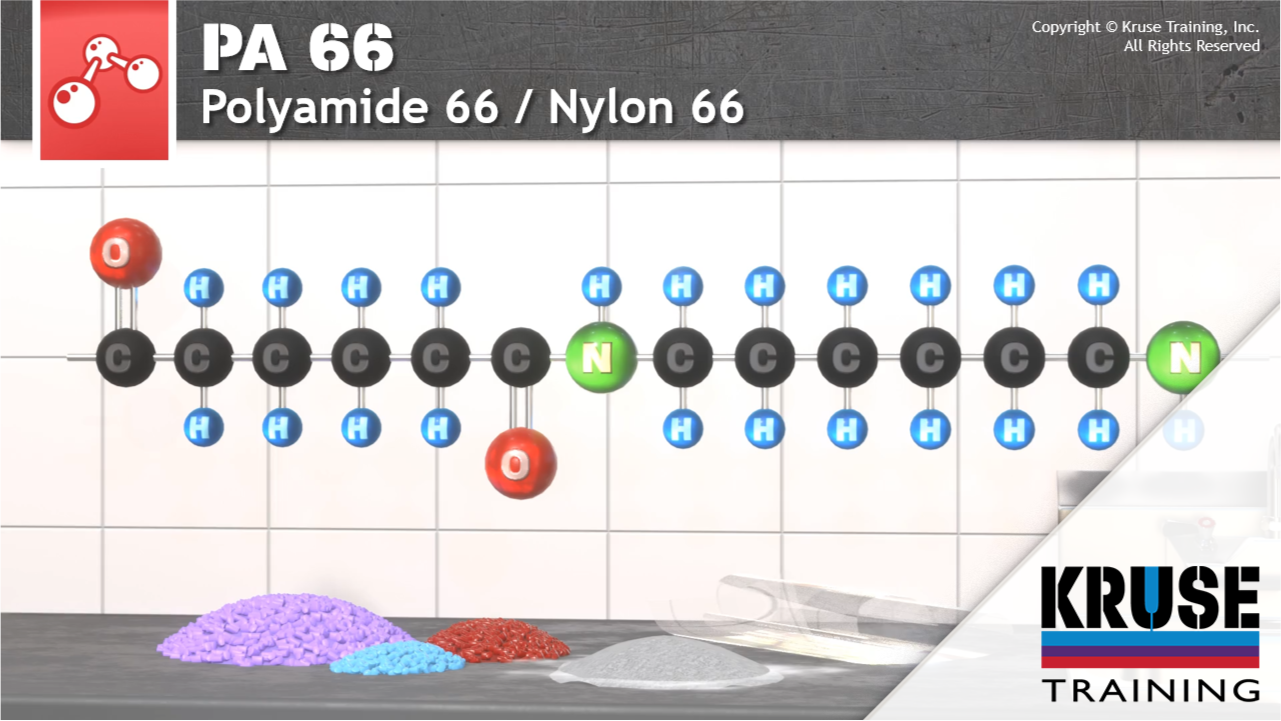
Polyamide 66 (PA66)
Polyamide 66 (PA66), known as nylon 66, is a synthetic polymer in the polyamide family. It is made from the monomers adipic acid and hexamethylenediamine, resulting in a strong, durable, and highly resistant material. PA66 is characterized by its high melting point, excellent mechanical properties, and good resistance to wear, abrasion, and chemicals. These properties…
-

Polyamide-imide (PAI)
Polyamide-imide (PAI) is a high-performance thermoplastic known for its exceptional mechanical strength, thermal stability, and chemical resistance. It combines the properties of polyamides and polyimides, offering excellent performance in demanding environments. PAI is characterized by its ability to maintain strength and rigidity at elevated temperatures, typically up to 260°C (500°F), and its resistance to wear,…
-
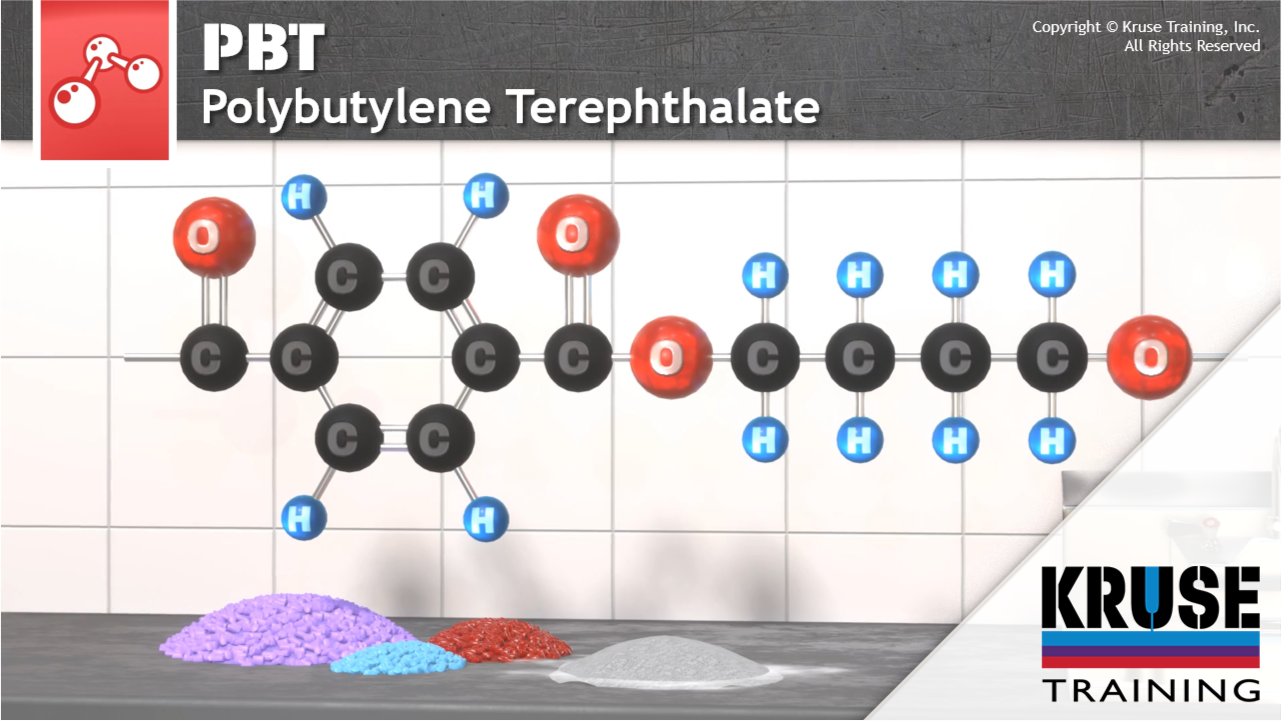
Polybutylene Terephthalate (PBT)
Polybutylene Terephthalate (PBT) is a thermoplastic polyester known for its strong mechanical properties, good chemical resistance, and excellent dimensional stability. It’s commonly used in automotive parts, electrical components, and consumer electronics due to its durability, low moisture absorption, and resistance to heat and solvents. PBT also has good insulation properties, making it ideal for electrical…
-
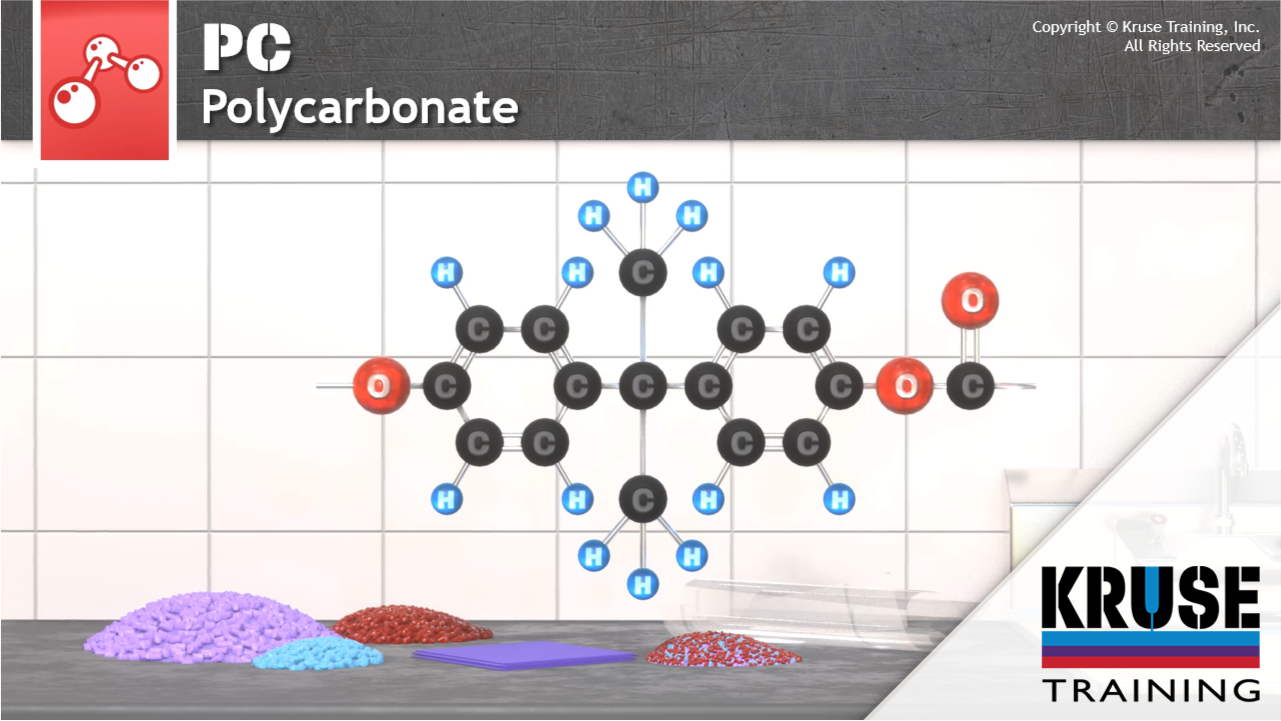
Polycarbonate (PC)
Polycarbonate (PC) is a strong, durable, and transparent thermoplastic polymer known for its high impact resistance and excellent optical clarity. It’s lightweight, easy to mold, and can withstand a wide range of temperatures, making it ideal for eyewear lenses, electronic components, and safety equipment applications. Polycarbonate is also resistant to UV light and weathering, although…
-

Polyetheretherketone (PEEK)
Polyetheretherketone (PEEK) is a high-performance, semi-crystalline thermoplastic polymer known for its exceptional mechanical and chemical resistance properties. It has excellent thermal stability, can withstand high temperatures (up to around 250°C), and is highly resistant to wear, fatigue, and harsh chemicals. PEEK is often used in demanding aerospace, medical devices, and automotive applications due to its…
-
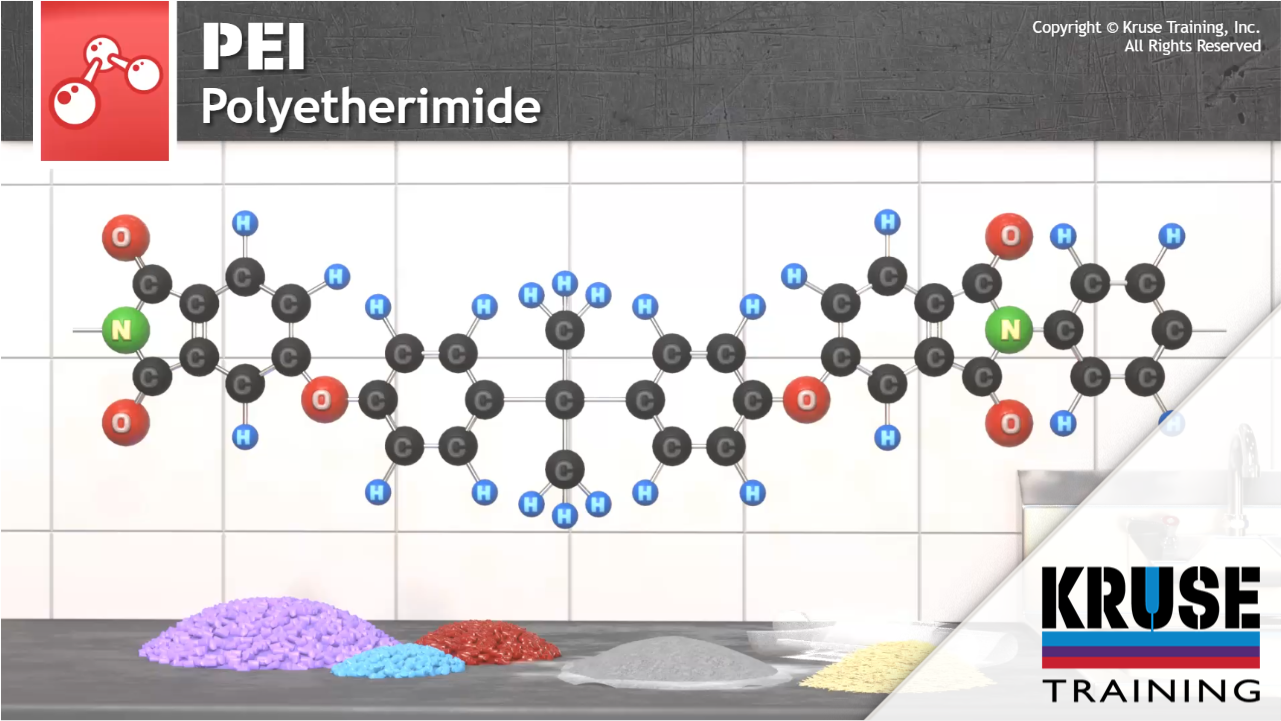
Polyetherimide (PEI)
Polyetherimide (PEI) is a high-performance amorphous thermoplastic belonging to the polyimide family. It is known for its excellent mechanical, thermal, and electrical properties, making it popular in various engineering applications requiring high-temperature resistance and dimensional stability.
-

Polyethersulfone (PES)
Polyethersulfone (PES) is a high-performance thermoplastic known for its exceptional thermal stability, mechanical strength, and resistance to chemicals and hydrolysis. It is transparent and rigid and has a high glass transition temperature, making it suitable for applications that require durability and long-term performance under harsh conditions. Due to its excellent properties, including low creep and…
-
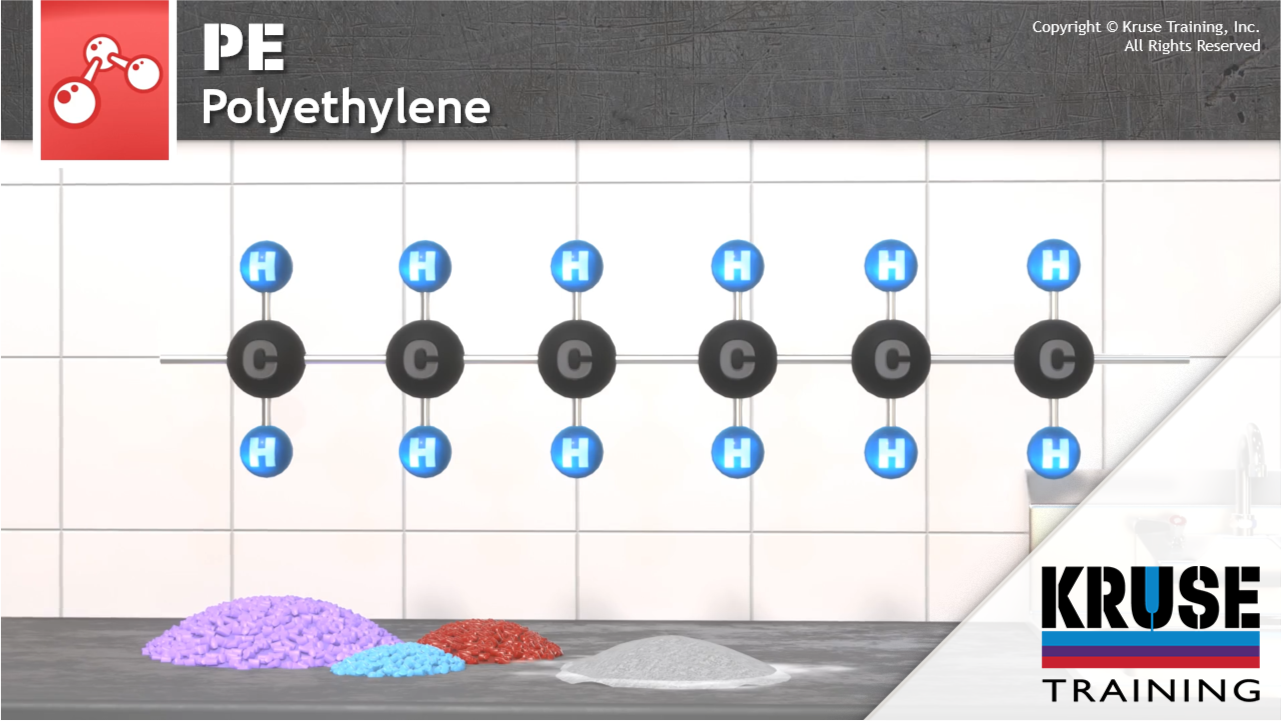
Polyethylene (PE)
Polyethylene (PE) is a widely used synthetic polymer made from the polymerization of ethylene. It is known for its flexibility, chemical resistance, and durability. PE comes in various forms, including low-density polyethylene (LDPE) and high-density polyethylene (HDPE), each with different properties and applications. Due to its lightweight and strong characteristics, it is commonly used in…